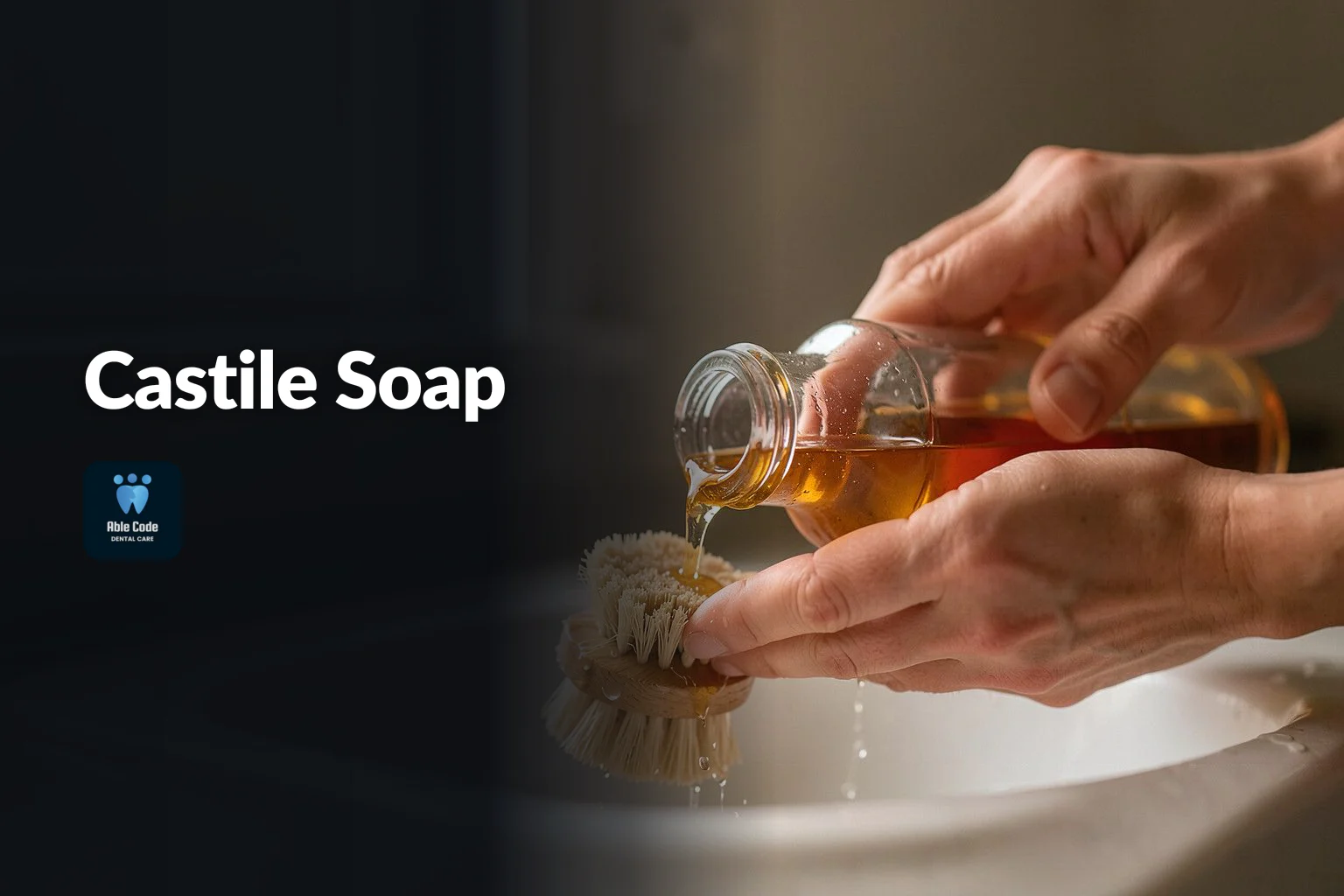
Castile Liquid Soap is a plant-based, biodegradable cleanser made entirely from vegetable oils — traditionally olive oil — rather than animal fats or synthetic detergents. Unlike conventional soaps that can strip the skin of its natural oils and leave behind chemical residues, Castile soap relies on the gentle saponification of oils to create a mild, versatile, and environmentally safe cleaning product. It contains no artificial fragrances, preservatives, or sulfates, making it one of the simplest and most effective tools for anyone pursuing a health-first, low-toxin lifestyle.
The Science of Clean: Why Castile Soap Works With Your Body
The health and wellness movement has steadily moved away from harsh chemical cleansers toward products that support the skin's natural microbiome. Castile Liquid Soap fits this shift perfectly. Its saponified oils produce a gentle surfactant that lifts dirt and microbes without disrupting the skin's acid mantle. This matters because the skin is the body's largest organ — what you put on it enters your bloodstream. Research on biological embedding shows that chronic exposure to synthetic chemicals can trigger low-grade inflammation, disrupt endocrine function, and even contribute to epigenetic changes passed across generations. Choosing a soap free from phthalates, parabens, and synthetic fragrances is a simple but meaningful step toward reducing your total chemical burden.
A Single Bottle, Dozens of Uses
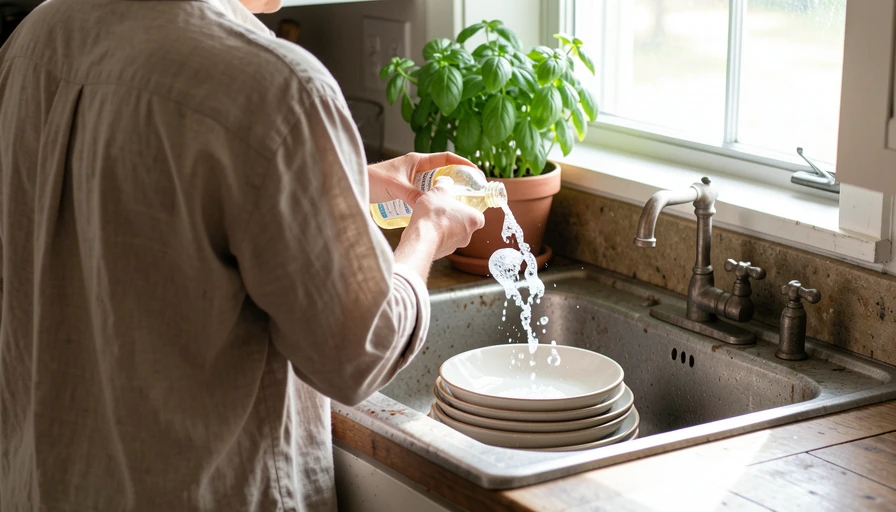
One of the strongest arguments for keeping Castile Liquid Soap in your home is its extraordinary versatility. A single bottle replaces an entire cabinet of specialized cleaners.
- Body wash and facial cleanser — Dilute one part soap to three parts water for a gentle daily wash. Unscented versions are well-tolerated by sensitive and eczema-prone skin.
- Household all-purpose cleaner — Mix one-quarter cup of soap with one litre of warm water for countertops, floors, and bathroom surfaces. The soap cuts grease without leaving toxic fumes.
- Dish soap — A few drops on a sponge handles stuck-on food. It rinses clean without residue.
- Laundry detergent — Use two to three tablespoons per load. It works especially well for delicates and cloth nappies.
- Pet shampoo — The mild formula is safe for dogs and cats when properly diluted.
- Garden pest spray — Mixed with water and a splash of neem oil, it helps control aphids and mites without synthetic pesticides.
This multi-purpose nature aligns with the growing consensus that simplifying our environments reduces the cumulative stress on our bodies and the planet.
Castile Soap Versus Conventional Cleaners: What the Research Says
The wellness industry is increasingly scrutinised for overpromising and underdelivering. However, Castile soap's credentials are backed by straightforward chemistry. Conventional liquid soaps and detergents often contain sodium lauryl sulfate (SLS), a surfactant that can cause skin irritation and strip protective lipids. A network meta-analysis of well-being interventions found that even small, consistent improvements in daily habits — such as switching to gentler personal care products — contribute to measurable gains in overall well-being when combined with other healthy behaviours. Castile soap avoids SLS entirely, relying on potassium hydroxide to saponify oils into a mild cleanser that respects the skin barrier.
Furthermore, because Castile soap is fully biodegradable, it does not introduce persistent synthetic chemicals into waterways. Given that microplastics and chemical pollutants are now being found in human tissues — including brains and reproductive organs — choosing biodegradable household products is a practical form of personal and planetary protection.
How to Use Castile Soap Safely and Effectively
Castile soap is concentrated, so dilution is key. Using it undiluted can be overly drying, especially on skin. For most purposes, a 1:3 or 1:4 ratio of soap to water works well. Hard water can reduce its lathering ability, so adding a small amount of distilled water or using it in soft-water areas improves performance. Because it contains no synthetic preservatives, store your diluted mixture in a glass bottle and use it within a few weeks. Adding a few drops of vitamin E oil or tea tree oil can extend shelf life and add antimicrobial benefits without compromising the soap's natural profile.
The Bigger Picture: Small Swaps, Real Impact
Health and wellness is not just about clinical care or individual willpower. The social determinants of health framework reminds us that the environments we build — our homes, neighbourhoods, and daily routines — shape outcomes more powerfully than any single intervention. Swapping a synthetic cleaner for a plant-based alternative like Castile soap is a small environmental change that reduces cumulative chemical exposure, supports respiratory health, and simplifies your daily routine. When combined with other evidence-based habits — regular exercise, social connection, and stress management — these small swaps compound into meaningful improvements in quality of life.
A Note on Quality and Sourcing
Not all Castile soaps are created equal. Traditional Castile soap is made with at least 70 percent olive oil, but many commercial versions cut corners with cheaper palm or coconut oils and synthetic additives. Look for products labelled as true Castile soap, made with organic oils, and certified by reputable third-party bodies. A high-quality Castile soap should list only oils, potassium hydroxide, and water on its ingredients panel. Anything longer than that is not true Castile soap. Taking a few extra seconds to read the label is a simple act of informed wellness that pays dividends for your health and the environment.